Camera Nightscape with Deer: A Stitch Review
When evaluating a new machine embroidery design for my studio, I look past the digital preview and imagine the needle hitting fabric. The Camera Nightscape with Deer – Adventure immediately caught my eye not just as a seasonal motif, but as a versatile narrative piece. As an experienced designer and product reviewer, I approach this file with a critical eye toward stitch density, registration, and commercial viability. This isn't merely a winter graphic; it is a complex composition that balances technical precision with rustic charm. For Etsy sellers, apparel decorators, and makers, understanding how this design translates from screen to substrate is essential for creating high-value handmade products.
First Impressions and Visual Narrative
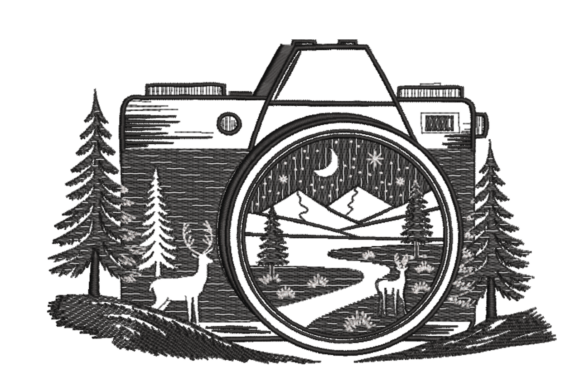
The initial impression of Camera Nightscape with Deer – Adventure is one of cozy nostalgia mixed with outdoor exploration. The layout suggests a framed moment in time, likely utilizing a combination of fill stitches for the nightscape background and precise satin or running stitches for the deer and camera elements. This juxtaposition creates texture contrast, which is vital for visual interest in embroidery. Unlike flat, single-layer designs, this piece appears to have depth. The mood is distinctly wintery without being cliché, making it suitable for adventure-themed merchandise rather than just traditional holiday decor.
From a design asset perspective, the silhouette work seems balanced. The camera element provides a geometric anchor, while the organic lines of the deer soften the overall aesthetic. For a creative entrepreneur, this balance is key. It allows the design to appeal to both photography enthusiasts and nature lovers, broadening your potential customer base. However, the complexity implies that thread color changes will be significant. Before purchasing or stitching, verify if the embroidery file includes a clear color chart, as managing multiple shades of dark blues, blacks, and accent colors requires careful planning to maintain contrast on various fabric textures.
Real-World Application: The Custom Sweatshirt Test
To truly judge this design, I mentally placed it in a real-life production scenario: a custom embroidered sweatshirt for a boutique winter collection. Sweatshirts are a staple for small shop products, but their fleece backing and stretchy knit structure can be unforgiving. When stitching Camera Nightscape with Deer – Adventure on this type of custom apparel, stabilizer choice becomes non-negotiable. A cut-away stabilizer would be mandatory here to prevent the dense nightscape fills from distorting the garment or causing tunneling.
In this scenario, I also considered the placement. Center-chest placement works best for this level of detail. If you were to attempt this as a pocket-sized logo or sleeve accent, the intricate details of the camera lens or the deer’s antlers might get lost. The design demands space to breathe. For a finished product intended for sale, the perceived value increases when the embroidery looks crisp and intentional. Customers trust brands that understand scale; a muddy, overcrowded design on a premium hoodie devalues the entire brand. Conversely, a well-executed version of this nightscape elevates the item from basic merch to collectible art.
Navigating Fabric Limitations and Hoop Sizes
While Camera Nightscape with Deer – Adventure shines on stable fabrics like denim tote bags or canvas aprons, caution is required elsewhere. I would advise against using this specific design on lightweight baby clothes or sheer tea towels unless it has been specifically digitized as a light-stitch or applique design. The density required to create a "nightscape" effect often involves heavy coverage that can make thin fabrics stiff or cause them to pucker irreparably.
Hoop size is another critical constraint. Always confirm the dimensions of the digital embroidery file against your machine’s capabilities before starting. If your hoop is too tight around the design perimeter, registration marks may fail, leading to misaligned outlines. Furthermore, consider the end use. If this is for a kitchen towel or baby bib that requires frequent washing, ensure the stitch density isn't so high that it traps moisture or takes forever to dry. For items like caps or curved surfaces, this design might be too rigid. The flat plane of a camera/nightscape scene rarely wraps well around a structured hat front without significant distortion. Stick to flat, stable surfaces for the best results.
Commercial Viability for Makers and Sellers
For those running a craft business or selling on platforms like Etsy, Camera Nightscape with Deer – Adventure offers strong commercial potential, provided it is marketed correctly. The "Adventure" tag allows you to cross-list in multiple niches: camping gear, photography gifts, and winter fashion. When creating printable mockups for your listings, test the design in both black-and-white and full-color previews. Dark designs can sometimes disappear in low-resolution thumbnails, so ensure your listing photos show the texture and sheen of the threads clearly.
Value perception is directly tied to execution. A cleanly stitched version of this design signals professionalism. Buyers engaging with handmade products are looking for quality that surpasses mass-produced alternatives. If you offer personalized gifts, consider how text integration works with this artwork. Does the design leave negative space for a name or date? If not, adding custom lettering might require resizing or re-digitizing to avoid crowding. Always respect licensing terms; verify whether your purchase allows for commercial use on physical products versus digital resale. Protecting your business means ensuring your design assets are cleared for your specific sales model.
Practical Designer Notes for Success
Before committing Camera Nightscape with Deer – Adventure to a final project, follow these professional protocols to ensure quality:
- Test Stitch First: Never run this design directly on a sellable item first. Use scrap fabric that matches your final project's weight and texture to check for registration issues.
- Evaluate Contrast: Nightscape themes rely heavily on dark tones. Test thread colors against your fabric to ensure the deer and camera details don't vanish into the background. You may need to lighten certain fill areas for visibility.
- Check Stabilizer Pairing: Match your stabilizer to the fabric, not just the design. Heavy designs on knits need cut-away; lighter designs on wovens might only need tear-away.
- Inspect Small Details: Zoom in on the embroidery file software. Are the camera buttons or deer eyes distinct? If they are tiny satin columns, they may fray. Consider editing them to running stitches if necessary.
- Verify Licensing: Confirm if the digitizer permits commercial embroidery on finished goods. Documentation of this license is crucial for protecting your shop from IP disputes.
- Mockup Realism: Use realistic mockups that reflect the actual size and placement. Misleading customers about scale leads to returns and negative reviews.
Final Thoughts on Design Integrity
Camera Nightscape with Deer – Adventure is more than a seasonal decoration; it is a test of a maker’s technical skill and artistic judgment. Its success lies in respecting the relationship between the digital file and the physical material. Whether you are crafting a personalized gift for a photographer or building a winter line for your Etsy shop, treat this design with the patience it requires. By prioritizing proper stabilization, appropriate fabric selection, and rigorous testing, you transform a digital concept into a tangible, high-quality asset that resonates with customers and stands up to real-world wear. In the world of commercial embroidery, that reliability is what turns a one-time buyer into a loyal advocate for your handmade brand.