Cute Kawaii Rainbow Cloud Hearts Review
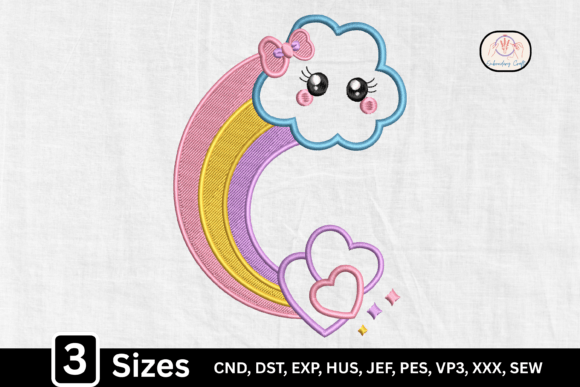
As an embroidery designer preparing for a busy weekend craft fair, I am constantly evaluating which digital assets will translate into physical sales. When reviewing the Cute Kawaii Rainbow Cloud Hearts design, my immediate assessment focuses on its commercial viability for handmade market products. This machine embroidery design immediately reads as soft, modern, and undeniably adorable. It strikes a specific balance between playful kawaii aesthetics and a refined pastel palette that appeals to both nursery shoppers and buyers looking for whimsical personal accessories. Unlike generic clip art, this embroidery file suggests a level of sweetness that feels curated rather than chaotic, making it a strong contender for boutique makers and Etsy sellers targeting a younger demographic or parents seeking gentle, happy decor.
First Impressions and Booth Appeal
Walking through my mental checklist for booth display strength, Cute Kawaii Rainbow Cloud Hearts stands out as a high-visibility asset. In a sea of rustic farmhouse signs and monograms, this design offers a pop of color that draws the eye without being aggressive. The pastel tones imply a premium handmade quality because they require thoughtful thread selection; they do not look like standard primary colors straight from a starter kit. For a craft fair product lineup, this visual softness signals comfort and joy. Customers browsing a table filled with embroidered patches, tea towels, and tote bags often stop for designs that evoke an emotional response. This motif triggers that "cute factor" instantly, encouraging shoppers to pick up items to inspect the stitch quality closer. It is decorative yet functional in its appeal, bridging the gap between a child’s room accent and a trendy adult accessory.
Best Product Applications for Market Sales
Determining where to apply this design is just as important as the design itself. Based on the composition of clouds, rainbows, and hearts, I have identified several high-potential applications for small shop products:
- Tote Bag Design: This is arguably the strongest application. A natural canvas tote featuring Cute Kawaii Rainbow Cloud Hearts centered on the front panel serves as an excellent walking advertisement at a market. The contrast of pastel threads against unbleached cotton creates a clean, artisanal look that sells well to eco-conscious buyers and young parents.
- Nursery Textiles: Given the category, pillow covers and crib sheets are natural fits. However, for a craft fair, I recommend focusing on giftable items like milestone blankets or bibs. These are lower price-point impulse buys compared to large quilts, allowing customers to purchase the aesthetic without a massive investment.
- Apron Embroidery: Placing this design on the chest pocket area of a pastel or white apron transforms a utilitarian item into a charming gift for bakers or crafters. It adds personality to functional gear, which is a key selling point for handmade products.
- Embroidered Patches: Because the shapes are distinct and self-contained, this artwork digitizes beautifully as a standalone patch. Selling iron-on or sew-on versions allows customers who cannot afford a finished bag to still purchase your work. It also maximizes hoop usage during batch production.
- Tea Towel Embroidery: While effective, placement matters here. Position the design in the bottom corner or center-bottom third to avoid interference with hands during use. The pastel theme elevates a simple kitchen towel into decorative wall art.
Production Practicality and Batch Efficiency
For creative entrepreneurs, time is money. A beautiful design that takes three hours to stitch is rarely profitable for low-cost market items. Cute Kawaii Rainbow Cloud Hearts appears optimized for efficiency. The shapes likely utilize satin stitches for outlines and fill stitches for the interior, which generally keeps the stitch count manageable. This makes it ideal for batch production. I can envision hooping multiple tea towels or patches in a single run if using a multi-needle machine, or quickly re-hooping for single-needle setups. Furthermore, the design photographs exceptionally well for online listings. Pastel colors tend to render accurately in natural light, reducing the need for heavy editing when creating printable mockups or updating Etsy listings post-market. The repeatability of this motif means you can build a cohesive brand collection across different substrates without the designs looking mismatched.
Critical Technical Considerations for Quality
Despite its charm, executing this machine embroidery design flawlessly requires attention to technical details. As a professional, I must highlight specific careful-use notes to ensure the finished product meets customer expectations:
- Fabric Texture Compatibility: If stitching on textured towels or terry cloth, you must use a water-soluble topping. Without it, the delicate details of the cloud faces or heart curves may sink into the pile, ruining the definition. On smooth fabrics like cotton or linen, the design should remain crisp.
- Stitch Density Management: Check the density settings before running a full production batch. Pastel threads can sometimes show needle holes more obviously than dark threads if the density is too high. Conversely, if the density is too low, the fabric grain might show through the rainbow sections. Always test on scrap fabric identical to your final product.
- Small Lettering and Details: If the design includes any text or tiny facial features, verify clarity at smaller sizes. Reducing a design by more than 20% can cause jump stitches to become problematic or details to merge. If you plan to make mini patches, confirm the digitizer has accounted for this reduction.
- Curved Surfaces: Be cautious when applying this to caps. Unless the design is specifically digitized for curved surfaces, the distortion on a hat front might warp the symmetry of the rainbow or clouds. Flat items like pouches and pillow covers are safer bets for maintaining geometric integrity.
- Thread Color Matching: "Pastel" is subjective. Before committing to a commercial embroidery run, compare your physical thread chart to the design’s suggested colors. Ensure there is enough contrast between the cloud, rainbow, and background fabric so the image does not appear washed out in person.
Designer Notes for Commercial Success
To maximize the return on this digital embroidery file, treat your preparation phase as seriously as the stitching phase. Always confirm the commercial licensing terms included with the file before selling finished goods; protecting your business starts with respecting intellectual property. Create at least one real mockup—a physical sample stitched on your intended bestseller—to gauge actual size and impact. Photos on a screen can be deceiving regarding scale. Additionally, review your stabilizer choices. For tote bags, a medium-weight cutaway provides necessary support to prevent puckering around the dense satin stitches. For lighter fabrics like baby bibs, a tear-away might suffice but test for residue.
Finally, consider the narrative at your booth. When displaying items featuring Cute Kawaii Rainbow Cloud Hearts, group them by color story rather than product type. A cluster of pastel pinks, blues, and yellows creates a stronger visual anchor than scattering items randomly. This design has the potential to be a signature piece for your nursery or kawaii-inspired line. By validating the stitch quality, ensuring proper stabilization, and applying it to high-demand products like totes and patches, you transform a cute digital file into a tangible revenue stream. Remember to check the specific hoop size requirements and file formats provided by the creator to ensure compatibility with your equipment before purchasing. With the right execution, this sweet motif can add significant value to your handmade inventory and delight customers looking for that perfect touch of pastel charm.