Happy Calico Cat: A Designer’s Merch Review
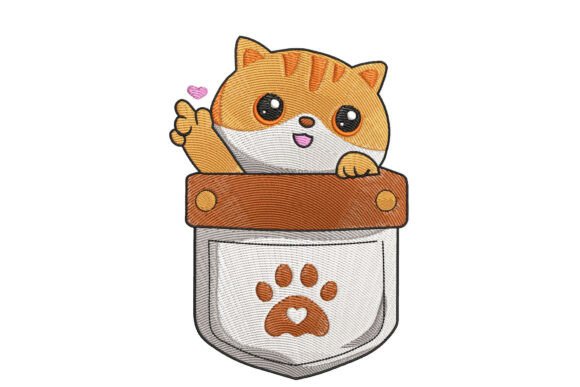
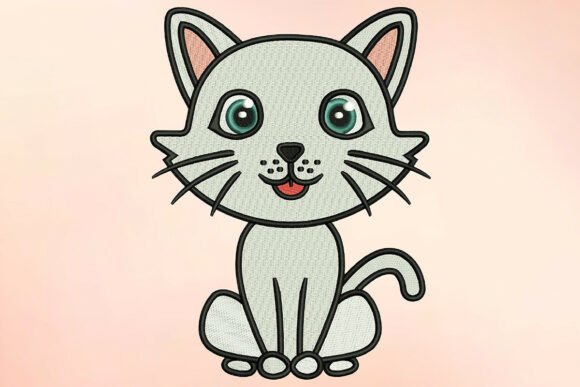
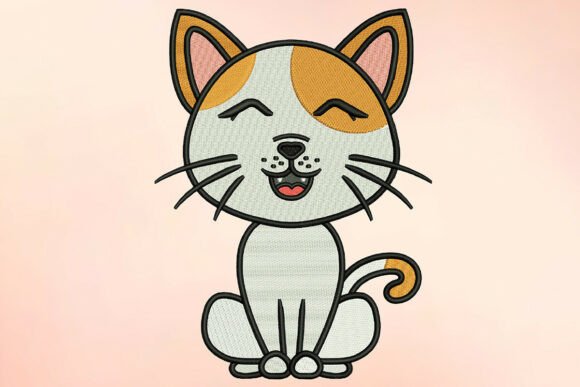
As an embroidery designer who regularly consults with small businesses on branded merchandise, I approach every new machine embroidery design with a critical eye toward production viability and brand alignment. When reviewing the Happy Calico Cat design for potential commercial use, my first impression is one of approachable professionalism. The description highlights a "sweet cartoon pattern" featuring a ginger-and-white calico sitting contentedly, which immediately signals a friendly, welcoming aesthetic. For businesses in the pet industry, cozy cafés, florists, or handmade boutiques, this visual tone is essential. It strikes a balance between playful and polished, avoiding the overly juvenile look that can sometimes undermine a professional brand identity. The contentment expressed in the design translates well to customer-facing merchandise, suggesting comfort and satisfaction.
Evaluating Commercial Viability for Small Business Merch
When integrating Happy Calico Cat into small business merch, versatility is key. This design shows strong potential across various applications because of its likely balanced composition. For a local bakery or coffee shop, this motif works exceptionally well as a chest logo accent on staff uniforms or as a focal point for apron embroidery. The sitting posture of the cat provides a stable base, making it less likely to distort when embroidered on heavier canvas aprons or denim work shirts. Unlike standing or running animal designs that can stretch vertically during hooping, a seated figure maintains better structural integrity on textured fabrics.
For Etsy sellers and creative studios, this digital embroidery file offers excellent value for creating customer gifts and event merchandise. I can easily visualize this design as a 3-inch embroidered patch for tote bags or backpacks. The cartoon style allows for bold outlines and distinct color blocks, which are crucial for readability at smaller sizes. When producing custom apparel for a pet grooming salon or veterinary clinic, the Happy Calico Cat serves as a softer alternative to clinical logos, helping to build emotional connections with clients while maintaining a cohesive team look.
Technical Considerations for Caps and Curved Surfaces
While the design is versatile, specific applications require careful technical evaluation. Cap embroidery presents unique challenges due to the curved surface and limited vertical space. Before running Happy Calico Cat on structured caps, you must verify the design's height-to-width ratio. If the cat is too tall, the top of the head may flatten or the bottom stitches may pull apart on the curve. I recommend testing this design on a cap frame specifically; if the original file is too vertical, consider asking the digitizer for a "cap-friendly" version where the elements are slightly compressed or repositioned.
Fabric texture also plays a significant role in the final output. On smooth cotton twill or polyester performance wear, the ginger-and-white details will pop. However, on highly textured surfaces like terry cloth towels or ribbed knit beanies, fine details in the face or fur texture may get lost. In these cases, using a water-soluble topping is non-negotiable to prevent stitches from sinking into the pile. Always match your stabilizer choice to the fabric weight; a medium-weight cutaway is generally safest for wearable items to prevent puckering around the dense fill areas typical of cartoon cat designs.
Impact on Brand Perception and Customer Trust
The decision to use Happy Calico Cat extends beyond aesthetics; it directly influences how customers perceive your business. In the realm of handmade product branding, consistency builds trust. A high-quality embroidery execution of this design suggests attention to detail and care. Conversely, poor registration or thread breaks on such a recognizable character can make a brand appear amateurish. The "pure bliss" expression described in the product details acts as a subtle psychological cue, reinforcing positive associations with your goods or services.
For businesses selling physical products, adding this design as a packaging accent or a sewn-in label elevates the perceived value. Unboxing experiences matter, and a small, cheerful embroidered tag featuring the Happy Calico Cat can turn a standard purchase into a memorable interaction. This level of branding differentiation is particularly valuable for crafters and makers competing in saturated markets. It transforms a generic item into a signature piece, fostering buyer engagement and encouraging social media sharing.
Critical Pre-Production Checklist for Embroiderers
Before committing Happy Calico Cat to a full production run, professional embroiderers should follow a rigorous testing protocol. Never assume a design assets package is ready-to-stitch straight out of the box without verification. Here is my recommended workflow for validating this design for business use:
- Verify Licensing Terms: Before selling any item featuring this design, confirm the commercial licensing included with your purchase. Ensure you have the rights to sell finished products and check for any limitations on quantity or product type.
- Check Hoop Size Compatibility: Measure the actual dimensions of the design file against your available hoops. Leave adequate margin for hoop clearance and machine movement to avoid hitting the frame during stitching.
- Test Stitch Density: Run a sample on your intended production fabric. Inspect the back of the embroidery; excessive density can cause needle breaks or fabric damage, while insufficient density leads to gaps in the ginger-and-white color blocks.
- Evaluate Thread Color Contrast: The calico pattern relies on distinct separation between ginger, white, and outline colors. Test on both light and dark garments to ensure visibility. You may need to adjust underlay or add a white base layer if stitching on dark navy or black uniforms.
- Create a Printable Mockup: Use software to generate a printable mockup for client approval before stitching. This manages expectations regarding size, placement, and color matching, reducing costly rework.
- Wash Test for Durability: If the merchandise will be laundered frequently (like aprons or kids' clothing), wash and dry your test sample three times. Check for thread shrinkage, color bleeding, or stabilizer residue that could affect the finished product quality.
Optimizing Design Assets for Professional Results
Successful commercial embroidery requires treating digital files as raw materials rather than final products. When working with the Happy Calico Cat design, compare it beside your existing brand assets. Does the line weight match your current logo? Is the cartoon style consistent with your other mascots or icons? Visual harmony is crucial for professional presentation. If the design feels isolated or stylistically clashing, consider modifying the border or adding complementary text elements to integrate it seamlessly into your broader merchandise lineup.
Additionally, pay close attention to the spacing between the cat and any accompanying text. Tight kerning can cause thread buildup and registration issues, especially at smaller patch sizes. If you plan to use this for tote bag design or large-format back prints, verify that the stitch count scales appropriately. Some files lose definition when enlarged significantly. Always request or create a size-specific version rather than relying solely on software resizing, which can distort stitch angles and compromise the integrity of the calico pattern.
Ultimately, Happy Calico Cat represents a strong opportunity for businesses seeking to inject warmth and personality into their branded goods. Its classic subject matter and cheerful execution make it a timeless choice for pet brands, cozy retail environments, and artisan makers. By approaching this embroidery file with professional scrutiny and adhering to proper testing protocols, you can transform a simple digital pattern into a powerful asset that drives recognition, enhances product value, and delights customers. Remember that the success of any embroidered merchandise lies not just in the design itself, but in the intentionality of its application and the quality of its execution.