Bees Daisies – Cute Spring: An Embroidery Design Review
As an embroidery designer who has stitched thousands of designs for both personal joy and commercial production, I approach every new machine embroidery design with a critical yet hopeful eye. When preparing inventory for the upcoming season, my goal is always to find artwork that translates beautifully from screen to fabric while offering genuine value to my customers. Recently, I tested the Bees Daisies – Cute Spring design specifically for personalized gift products. In the world of custom embroidery, finding a motif that balances whimsy with professional stitch quality is essential for maintaining customer trust and ensuring repeat business.
First Impressions and Emotional Appeal
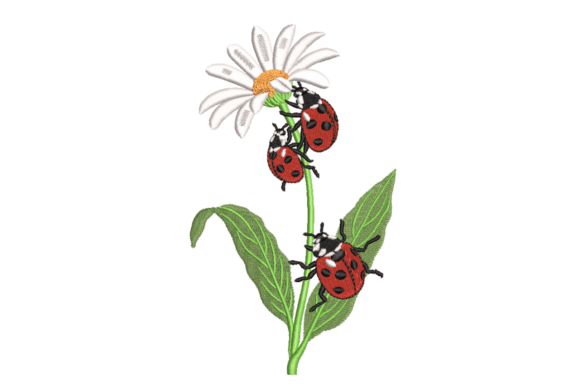
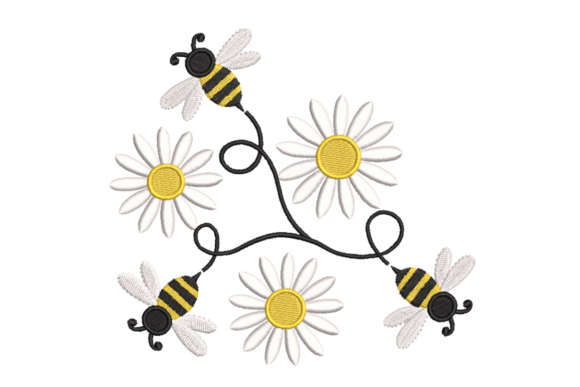
Upon loading the embroidery file into my software, the immediate impression of Bees Daisies – Cute Spring was one of gentle nostalgia and cheerful optimism. Unlike some bug-themed designs that can lean too realistic or slightly unsettling for certain demographics, this artwork captures a soft, storybook aesthetic. The daisies provide a classic floral anchor, while the bees add movement and personality without overwhelming the composition. For an Etsy seller or small shop owner, this specific mood is gold. It bridges the gap between nursery decor and adult cottage-core aesthetics, making it versatile enough for multiple product lines.
The charm lies in its balance. It feels handmade and intentional rather than mass-produced. When I visualize this as a finished product, it evokes feelings of warmth, safety, and natural beauty. This emotional connection is what ultimately sells a personalized gift. Customers are not just buying thread on fabric; they are purchasing a sentiment. Whether intended for a spring wedding or a newborn’s arrival, the design communicates care and thoughtfulness instantly.
Real-World Applications for Personalized Gifts
During my testing phase, I evaluated how Bees Daisies – Cute Spring performs across various substrates commonly requested in my shop. Versatility is key for maximizing the return on investment for any digital embroidery file.
- Baby Embroidery: This is perhaps the strongest use case. The design is inherently sweet and gender-neutral, making it perfect for baby blankets, bibs, and onesies. Parents love nature themes that feel organic and safe. I found the scale works beautifully on receiving blankets where the design can serve as a central focal point.
- Kitchen and Home Textiles: As an embroidered towel or tea towel design, the daisies offer a lovely seasonal update to kitchen decor. The bee element adds a touch of industrious charm that fits well in farmhouse or country-style homes. These make excellent hostess gifts or housewarming presents.
- Wedding Keepsakes: While bugs might seem unconventional for weddings, daisies symbolize innocence and loyal love. Used subtly on a ring bearer pillow, a bridal handkerchief, or a denim jacket back patch, this design offers a unique alternative to traditional roses. It appeals to couples wanting a rustic, garden-party vibe.
- Tote Bags and Aprons: For craft fair products or market prep, this design stitches out cleanly on canvas and linen. A customized tote bag featuring Bees Daisies – Cute Spring alongside a monogram creates a high-perceived-value item that stands out in a crowded marketplace.
Navigating Fabric Challenges and Placement
While the design is charming, experienced embroiderers know that execution matters more than digitizing theory. There are specific scenarios where caution is required when using this custom embroidery artwork.
Textured and Thick Fabrics
If you plan to use this on terry cloth towels or fleece blankets, pay close attention to detail loss. Busy textures can swallow delicate elements. Always use a water-soluble topping to keep the stitches crisp. If the design contains fine outline details representing bee wings or flower stems, test first. You may need to adjust the stitch density or add an underlay to prevent the design from sinking into the pile.
Stretchy Baby Clothes
Knit fabrics require significant stabilization to prevent puckering. Because Bees Daisies – Cute Spring likely includes satin stitches and fills, using a cut-away stabilizer is non-negotiable for stretchy onesies. Hooping must be snug but not distorted. If the design is dense, consider resizing it down slightly for infant garments to avoid creating a stiff, uncomfortable patch against sensitive skin.
Dark vs. Light Fabrics
This design undoubtedly shines on white, cream, or pastel fabrics where the thread colors pop. However, if a customer requests it on navy or dark green, verify your color mapping. Dark backgrounds can sometimes make colorful embroidery look muddy unless there is sufficient contrast. Create a printable mockup or digital preview showing the adjusted palette before stitching to ensure the client loves the result.
The Business Impact: Value and Engagement
Incorporating Bees Daisies – Cute Spring into your catalog does more than fill a seasonal niche; it enhances your brand's perceived quality. High-quality nature designs signal to buyers that you curate your offerings carefully. When customers see a beautifully executed handmade product featuring this art, it builds confidence in your ability to handle their custom requests.
From a marketing perspective, this design is highly photogenic. The combination of yellow, white, and green threads photographs brilliantly in natural light, boosting engagement on social media platforms. For commercial embroidery businesses, listing items with this design can attract eco-conscious buyers and those seeking sustainable, slow-fashion aesthetics. Furthermore, because it works for both babies and adults, you can create bundled listings—such as a matching mother-daughter apron set or a nursery-and-kitchen bundle—which increases average order value.
Essential Technical Checklist for Makers
Before you hoop up your good fabric or accept a paid order, run through this practical checklist to ensure success with this embroidery file:
- Verify Specifications: Always check the included documentation for exact stitch count, recommended hoop size, and color sequence. Never assume compatibility based solely on the thumbnail image.
- Test Stitch Out: Use scrap fabric similar to your final project. Evaluate the registration, especially where different colored sections meet. Gaps or overlaps can ruin the polished look.
- Stabilizer Selection: Match your stabilizer to the fabric weight. Lightweight cotton needs tear-away; knits need cut-away; towels need topping. Proper stabilization is the difference between amateur and professional results.
- Thread Color Contrast: Review the color chart against your physical thread stash. Digital screens often display colors differently than rayon or polyester threads. Adjust shades to match the "Cute Spring" vibe accurately.
- Licensing Compliance: Crucially, confirm the license terms. Ensure you have the right to sell finished products made with this design. Respecting intellectual property protects your business reputation and supports fellow designers.
- Wash Testing: If selling items like towels or baby clothes that will be laundered frequently, wash your test sample. Check for thread shrinkage, color bleeding, or stabilizer residue issues before shipping to customers.
Final Thoughts for the Seasonal Shop
Bees Daisies – Cute Spring represents the kind of thoughtful, emotive digitizing that elevates a simple pillow cover or blanket embroidery project into a cherished heirloom. Its strength lies in its adaptability and its inherent sweetness. By approaching this design with technical diligence and creative marketing, makers can create products that resonate deeply with buyers looking for meaningful, seasonal connections. Whether you are updating your Etsy shop for spring or fulfilling a bespoke wedding commission, this design offers a reliable foundation for beautiful, profitable embroidery work. Remember, the most successful small shop product is one where the maker’s expertise shines through every stitch, turning a digital file into a tangible memory.