Ladybugs on Daisy Stem: A Seasonal Embroidery Review
As an embroidery designer curating a seasonal collection, I am constantly evaluating which designs will translate best from a digital screen to a tangible, sellable product. When reviewing the Ladybugs on Daisy Stem machine embroidery design, my primary focus is versatility and emotional resonance. This design captures a specific intersection of nostalgia and natural beauty that performs exceptionally well during spring holidays, Mother’s Day, and early summer sales. For Etsy sellers and small shop owners, this motif offers more than just a cute bug; it provides a foundational element for building cohesive holiday embroidery collections that appeal to buyers seeking warmth and organic charm.
Evaluating Seasonal Mood and Decorative Style
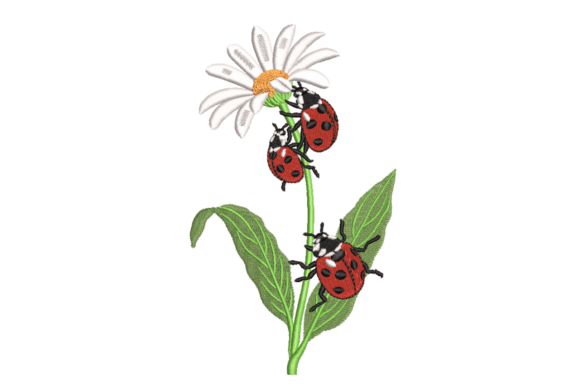
The first impression of Ladybugs on Daisy Stem is undeniably cheerful yet sophisticated. Unlike generic insect motifs that can sometimes feel too juvenile or cartoonish, this design leans into a botanical illustration style. The daisy stem provides a vertical anchor that makes the composition elegant rather than cluttered. From a designer's perspective, this balance is crucial for commercial embroidery. It allows the design to fit seamlessly onto high-value items like linen pillow covers or premium tote bags without looking out of place.
The emotional tone strikes a chord with customers looking for handmade gifts that feel personal and timeless. In the context of seasonal selling, this design evokes feelings of garden freshness and gentle celebration. It avoids overt religious or cultural symbols, making it a safe but meaningful choice for diverse customer bases. Whether used for a personalized gift basket or a limited-edition apparel drop, the aesthetic suggests quality and care. For those in the Bugs category of embroidery, this floral integration elevates the subject matter, making it appropriate for home decor and adult fashion rather than just children’s wear.
Strategic Applications for Holiday Selling
When planning a seasonal product lineup, I look for designs that can be scaled across multiple price points. Ladybugs on Daisy Stem excels here because its linear structure adapts to various garment and accessory placements. Here is how I envision this digital embroidery file performing in real-world selling scenarios:
- Sweatshirt Embroidery: Placed on the left chest or centered on the yoke, this design adds a delicate touch to heavyweight fleece. The vertical stem complements the neckline, creating a flattering visual line that photographs beautifully for social media previews.
- Kitchen Towel Embroidery: This is a high-volume seller for spring and Easter. The design’s height fits perfectly above the hanging loop or centered on tea towels. It pairs well with gingham or waffle-weave textures, enhancing the rustic-modern vibe that current buyers love.
- Tote Bag Design: Canvas totes are staple items for craft fairs. This motif stitches out cleanly on unstructured canvas, making it an ideal candidate for eco-friendly shopping bags marketed as seasonal essentials.
- Pillow Cover Accents: For home decor listings, consider placing this design in the bottom corner of a throw pillow rather than dead center. This creates a modern, asymmetrical look that increases perceived product value.
- Embroidered Patches: Because the outline is distinct, this artwork can be converted into a merrowed-edge patch. These serve as excellent add-on items or low-cost entry points for new customers exploring your shop.
For Etsy sellers, bundling products featuring this same design creates visual consistency. A "Garden Party" bundle containing an apron, towel, and matching ornament using Ladybugs on Daisy Stem encourages higher cart values through coordinated gifting options.
Technical Considerations and Fabric Limitations
While the aesthetic appeal is high, a professional review must address technical execution. Not every fabric is suitable for this specific artwork. As you prepare your commercial embroidery production run, pay close attention to these constraints to maintain customer trust and reduce returns.
Navigating Hoop Sizes and Detail Loss
Always confirm the available hoop size variations before purchasing or stitching. If you intend to use Ladybugs on Daisy Stem on baby items or cuffs, verify that the smallest version retains legible detail. Intricate elements like ladybug spots or daisy petals can become mud if resized below the digitizer’s recommended minimum. For tiny lettering or fine stem lines, test stitch on scrap fabric first. If details merge, opt for a larger size or choose a different placement.
Fabric Texture and Stabilizer Selection
This design likely contains satin stitches for the stems and fill stitches for the petals. On thick towels or plush fabrics, you must use a water-soluble topper to prevent stitches from sinking into the pile. Without it, the beautiful definition of the daisy will be lost. Conversely, on stretchy garments like sweatshirts, ensure you are using adequate cut-away stabilizer to prevent puckering. The vertical nature of the stem makes it particularly susceptible to distortion if the fabric shifts during stitching. Proper stabilization is non-negotiable for achieving a premium finished product.
Thread Colors and Metallic Risks
While metallic thread might seem festive for holiday embroidery, use it cautiously with this design. Metallic threads are thicker and can cause tension issues on fine details like insect antennae. If you want a shimmer effect, consider using a high-sheen polyester or rayon instead. Always test thread colors on both light and dark fabrics. A yellow daisy center that pops on white linen might disappear on cream cotton. Creating realistic mockups requires accurate color representation, so stitch physical samples before listing items online.
Enhancing Buyer Emotion and Product Value
In the competitive landscape of digital embroidery files and finished goods, technical perfection is only half the battle. The other half is storytelling. Ladybugs on Daisy Stem supports a narrative of slow living and natural joy. When writing product descriptions for your seasonal embroidery, highlight these emotional triggers.
Instead of simply listing "bug embroidery," describe the feeling of receiving a personalized gift that celebrates the recipient's love of gardening. Use terms like "heirloom quality," "botanical elegance," and "springtime nostalgia." This language aligns with what buyers are searching for during gift-giving seasons. Furthermore, consistent use of this design across your shop builds brand recognition. Customers who bought a kitchen towel last year may return for a matching apron this season because they associate your brand with this specific, beloved aesthetic.
Practical Designer Notes for Success
Before adding this design to your commercial inventory, complete this checklist:
- Verify Licensing: Confirm that the digital embroidery file includes commercial licensing for finished products. Never assume rights transfer automatically.
- Stitch Density Check: Run a test sew-out to check for fabric push-and-pull. Adjust compensation settings in your software if the stem appears curved after stitching.
- Create Printable Mockups: Photograph your actual stitch-out rather than relying solely on digital renders. Buyers trust photos of real thread on real fabric.
- Plan Color Palettes: Develop three distinct colorways (e.g., Classic Garden, Pastel Easter, Muted Vintage) to maximize the design’s utility across different holidays.
- Review Small Details: Inspect the ladybugs closely after washing. Ensure the eyes and spots remain distinct and do not fray, as durability impacts long-term reviews.
Ultimately, Ladybugs on Daisy Stem is a strong contender for any seasonal collection focused on nature, family, and home. By approaching this design with both creative vision and technical discipline, you transform a simple embroidery file into a profitable, beloved product line. Whether you are decorating apparel for a spring market or creating custom gifts for Mother’s Day, this motif offers the perfect blend of charm and commercial viability. Remember to always respect the integrity of the original digitizing while adapting it to meet the specific needs of your unique customer base and fabric choices.