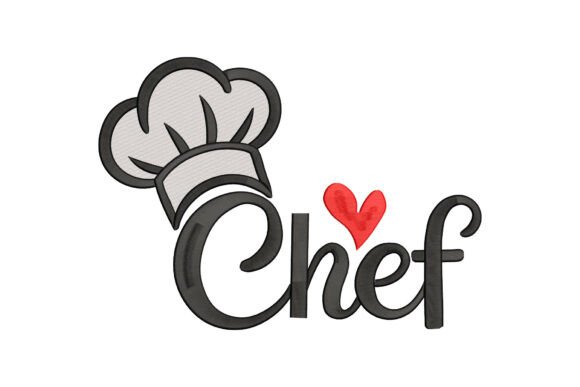
Chef Heart: Elegant Kitchen Embroidery Review
As an experienced embroidery designer preparing for a busy weekend craft fair, I approach every new machine embroidery design with a critical eye. It is not enough for a digitized file to look perfect on a computer screen; it must translate into a tangible, sellable item that catches the eye of a shopper walking past my booth. When evaluating the Chef Heart design for my upcoming market lineup, I am looking for versatility, stitch integrity, and that specific emotional hook that turns a browser into a buyer. This review breaks down how this elegant kitchen motif performs in real-world production and sales scenarios for fellow Etsy sellers and boutique makers.
First Impressions: Elegance Meets Culinary Warmth
The title "Chef Heart" immediately suggests a fusion of professional culinary passion and sentimental warmth. Based on the description promising elegance and beautiful detail, my first impression is that this is not a cartoonish or novelty graphic. Instead, it leans toward a refined, perhaps vintage-inspired or sophisticated modern aesthetic. For a handmade product line, this distinction is vital. Shoppers at craft fairs are often looking for items that feel elevated above mass-produced kitchenware. A design that balances the rustic charm of cooking with the precision of high-end embroidery creates a premium perception. This elegance makes the Chef Heart design particularly suitable for customers who view their kitchen as a curated space rather than just a utilitarian room.
Best Performing Products for Market Sales
When stocking a booth or updating an online shop, I need to know which blanks will yield the highest return on investment. The Chef Heart design has specific strengths depending on the substrate.
Tote Bags and Market Shoppers
This is arguably the strongest application for this design. A tote bag design needs to be readable from a distance while retaining detail up close. The heart shape provides a natural focal point that centers beautifully on canvas or linen market bags. Because tote bags are high-traffic items at farmers' markets, the combination of a chef motif and a heart appeals to foodies and home cooks alike. Ensure you use a sturdy cutaway stabilizer to prevent the canvas from distorting under the weight of detailed stitching.
Aprons and Textiles
Apron embroidery requires careful placement. The Chef Heart works exceptionally well centered on the bib or placed over the heart area on the chest strap. This personalization adds significant value to the finished product. However, aprons are often made of denim or heavy twill. These fabrics have distinct textures that can swallow fine details. If the design includes delicate shading or thin lines, test on scrap fabric first to ensure the stitch density is sufficient to cover the weave without becoming bulletproof.
Tea Towels and Table Linens
For tea towel embroidery, elegance is key. Flour sack towels or waffle-weave linens provide a smooth surface that showcases intricate details. This is where the "beautifully detailed" aspect of the Chef Heart file will truly shine. Unlike caps or structured bags, flat linens allow for consistent tension. These items make excellent giftable handmade products, especially when bundled with other kitchen accessories. Just remember that terry cloth or textured towels require a water-soluble topping to keep stitches from sinking into the pile.
Production Practicality and Booth Display
A design might be gorgeous, but if it takes three hours to stitch out or requires constant thread changes, it kills profit margins for a small shop product. While specific stitch counts are not provided here, the emphasis on detail suggests a moderate to high stitch count. For batch production, I recommend verifying the run order before committing to a large inventory. Efficient color sequencing reduces trim times and machine stops, which is crucial when fulfilling orders for a commercial embroidery business.
Visually, the Chef Heart serves as a strong anchor for booth displays. Its recognizable silhouette allows customers to understand the theme instantly from ten feet away. Up close, the promised elegance rewards that initial attention. This dual-stage visual appeal is essential for driving engagement. Furthermore, because the design is versatile across cushions, t-shirts, and linens, it allows for brand consistency. You can create a cohesive "Chef Heart Collection" that looks intentional and professional, increasing the perceived value of your entire table setup.
Critical Use Notes for Embroiderers
Even the best digital embroidery file has limitations based on physics and fabric choice. As you prepare this design for sale, keep these technical constraints in mind:
- Size Reduction Risks: Detailed designs often suffer when scaled down. If you plan to use Chef Heart as a small accent on a sleeve or pocket, check the minimum size recommendations. Tiny lettering or intricate interior fills may turn into thread nests if reduced below the digitizer's safe threshold.
- Fabric Texture Compatibility: Avoid using highly detailed versions of this design on chunky knits or uneven burlap. The elegance relies on clean edges and smooth fills. Stick to medium-weight wovens, quilting cottons, and stable linens for the best results.
- Thread Contrast: Elegance often implies subtle tonal variations. However, for craft fair visibility, ensure there is adequate contrast between the thread colors and the base fabric. A white-on-white tone-on-tone look is chic for photos but may disappear on a crowded display table.
- Curved Surfaces: If adapting this for caps, be aware that the heart shape may distort on the curved bill or front panel. Cap-specific hooping and potentially a modified version of the design with fewer underlay stitches may be necessary to prevent puckering.
Designer Checklist Before Selling
Before listing this as an Etsy seller or loading it into your multi-needle machine for a market run, complete this practical checklist:
- Verify Commercial Licensing: Always confirm the license terms included with the Chef Heart file. Ensure you have the right to sell finished physical products versus just the digital assets.
- Test Stitch-Out: Never skip the sample. Run the design on the exact fabric and stabilizer combination you intend to sell. Inspect the registration, tension, and final hand-feel.
- Create Real Mockups: While a printable mockup is useful for digital listings, photographing the actual embroidered item builds trust. Show the texture and scale to prove the quality matches the description.
- Check Hoop Size Requirements: Confirm your machine’s hoop dimensions accommodate the full design without needing re-hooping, unless the file is specifically split for multi-position hoops.
- Review Stabilizer Pairing: Match the backing to the fabric weight. Using the wrong stabilizer is the fastest way to ruin a premium design like Chef Heart.
Final Verdict for Creative Entrepreneurs
The Chef Heart embroidery design represents a valuable asset for makers focusing on the kitchen and lifestyle niche. Its blend of professional culinary imagery with romantic elegance fills a specific gap in the market for sophisticated handmade goods. By respecting the technical requirements of detailed digitizing and applying strategic product selection, this design can become a staple in your craft fair rotation. Whether applied to a heirloom-quality tea towel or a durable market tote, it offers the visual appeal and emotional resonance that drive sales in the handmade community. Always prioritize testing and quality control to ensure your finished products honor the beauty of the original digitization.