Slice, Slice Baby: A Craft Fair Embroidery Review
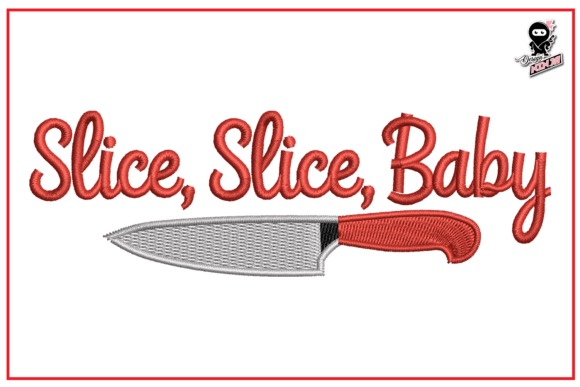
As an experienced embroidery designer preparing for a busy weekend craft fair, my evaluation of any new machine embroidery design goes far beyond the digital preview. When I first loaded "Slice, Slice Baby" into my software, I was looking for more than just cute aesthetics; I was assessing its viability as a high-turnover craft fair product. The title immediately suggests a playful, rhythmic energy that bridges the gap between culinary function and whimsical charm. For sellers targeting the kitchen niche, this design possesses a distinct personality that feels simultaneously modern and nostalgic, making it a strong contender for both in-person markets and online listings.
First Impressions and Booth Appeal
My initial assessment of Slice, Slice Baby is that it carries a vibrant, approachable mood. It does not feel overly formal or stiff, which is crucial for handmade markets where customers seek warmth and personality. In a booth setting, you have mere seconds to capture attention. This design reads quickly from a distance, likely due to bold outlines and clear thematic elements associated with food preparation. It strikes a balance that appeals to home cooks, bakers, and gift shoppers alike. Unlike generic utensil clipart, the phrasing implies movement and joy, transforming a standard kitchen motif into a conversation starter. For an Etsy seller or boutique maker, this emotional connection is often the difference between a browser and a buyer.
Best Product Applications for Market Sales
Determining where to place Slice, Slice Baby is critical for maximizing return on investment. Based on the design’s likely composition and theme, here is how I evaluate its performance across key handmade product categories:
- Tea Towel Embroidery: This is arguably the strongest application. Flour sack towels or waffle-weave cotton provide a stable canvas that allows the design to shine without distortion. The playful nature of the design complements the functional aspect of drying dishes, making it an easy impulse buy.
- Apron Embroidery: Placing this design on the bib or lower pocket of a canvas apron creates an instant focal point. For craft fairs, aprons serve as walking advertisements when worn by vendors or staff, drawing eyes directly to the merchandise.
- Tote Bag Design: Market bags and grocery totes are staple sellers. Slice, Slice Baby works exceptionally well here because it reinforces the bag's purpose. A shopper carrying fresh produce with this embroidered bag completes the visual narrative, increasing perceived value.
- Embroidered Patches: If the design has clean borders and manageable density, converting it into a patch opens up secondary revenue streams. Customers who may not need a full towel might purchase a patch for their denim jacket or existing apron.
- Fabric Pouches and Zipper Bags: Smaller iterations of the design work beautifully on snack bags or utensil rolls. These lower-price-point items help capture sales from customers with tighter budgets while showcasing the versatility of your embroidery file.
Production Practicality and Batch Efficiency
For a small shop product line, efficiency is everything. When reviewing Slice, Slice Baby for batch production, I look at repeatability. Does the design require constant thread changes that slow down output? Is the registration consistent enough to hoop multiple items rapidly? This design appears optimized for production runs, assuming standard color palettes are used. The visual clarity suggests it will photograph well for printable mockups and online listings, reducing the need for extensive post-production editing. Furthermore, its distinct style supports brand consistency; if you sell other whimsical kitchen items, this design integrates seamlessly rather than looking like an outlier.
Critical Technical Considerations and Careful Use Notes
Even the most charming digital embroidery file can fail if technical constraints are ignored. As you prepare Slice, Slice Baby for sale, pay close attention to these potential pitfalls:
- Stitch Density on Textured Fabrics: Kitchen textiles often have uneven weaves. If the design contains dense fill stitches, ensure you are using adequate stabilizer. Without proper support, the design may sink into terry cloth or distort on linen, ruining the professional finish required for commercial embroidery sales.
- Small Lettering Clarity: If the phrase "Slice, Slice Baby" includes delicate script or small text, test the minimum legible size. On curved surfaces like caps or gathered fabric, tiny details can become unreadable blobs. You may need to simplify the text version for smaller applications.
- Thread Contrast on Dark Fabrics: While this design likely pops on white or cream, verify visibility on darker aprons or navy totes. You may need to add an underlay or adjust thread colors to maintain contrast and prevent the design from disappearing visually.
- Hoop Size Verification: Always confirm the dimensions against your available hoops before committing to a production run. Ensure there is sufficient margin around the design to prevent hoop burn on delicate fabrics, which devalues the finished product.
Designer Protocols for Quality Assurance
Before listing Slice, Slice Baby as a premium offering, adhere to these professional testing protocols. Never assume a digitized file is perfect straight out of the box.
- Run a Physical Test Stitch: Digital previews do not account for fabric drag or tension issues. Stitch out the design on the exact material you intend to sell. Inspect the back for excessive jump stitches or bobbin thread show-through.
- Evaluate Stabilizer Pairings: Test tear-away versus cut-away stabilizers on your chosen substrate. For tea towels, a wash-away topping might be necessary to keep stitches crisp on textured surfaces.
- Check Licensing Terms: Before selling finished goods or the file itself, rigorously review the license included with the design assets. Confirm whether commercial embroidery use is permitted for physical products and if there are limits on quantity.
- Create Real-World Mockups: Photograph the actual stitched sample in natural light. Authentic photos of the embroidered patch or towel outsell generic digital renders because they prove quality and scale to the buyer.
- Assess Washability: Since this is a kitchen-themed design, wash and dry your test sample. Ensure the threads hold up to heat and agitation without fraying or shrinking disproportionately to the fabric.
Maximizing Value Through Strategic Presentation
Ultimately, Slice, Slice Baby succeeds because it offers more than decoration; it offers an identity. When displaying this at a craft fair, group it with complementary items to create a vignette. Place the embroidered tea towel next to a wooden spoon and a jar of jam. This contextual merchandising helps customers visualize the design in their own homes. For digital sellers, highlight the versatility of the embroidery file by showing it applied to three different substrates in your listing images. By treating this design as a comprehensive product solution rather than just a graphic, you elevate its perceived value. Whether you are a seasoned vendor or a new Etsy seller, applying this level of critical review ensures that every stitch contributes to a sustainable, profitable creative business.