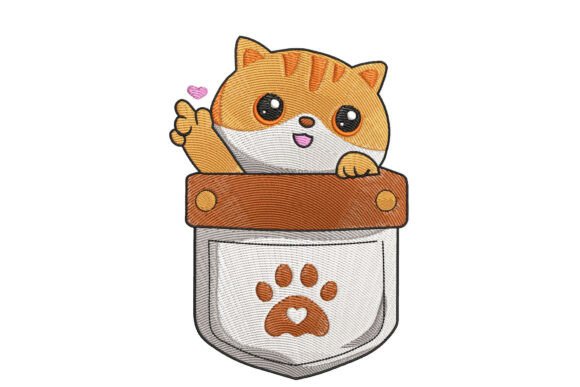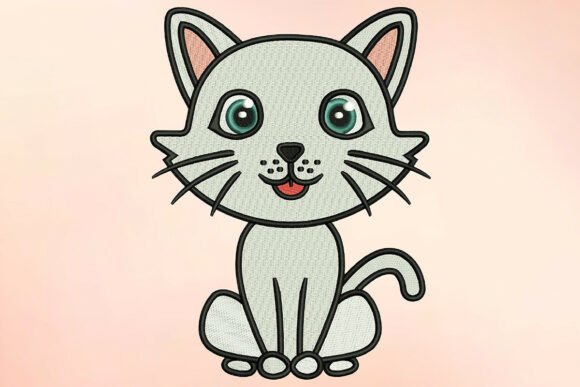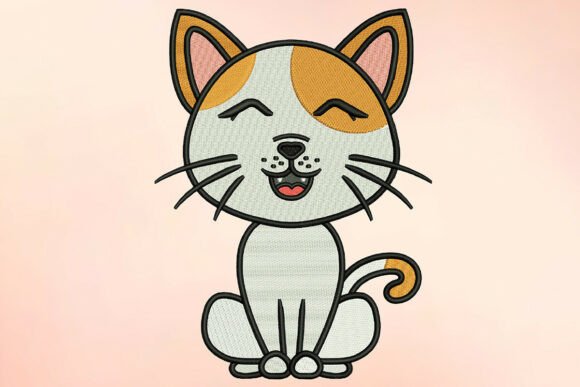
Colorful Cat Face: A Craft Fair Seller’s Review
As an embroidery designer preparing for a busy weekend craft fair, I approach every new machine embroidery design with a critical eye. It is not enough for a file to simply stitch out correctly on screen; it must translate into a profitable craft fair product that catches the attention of shoppers walking past a crowded booth. When evaluating the Colorful Cat Face design for my upcoming market table, I am looking at more than just cute aesthetics. I am analyzing production efficiency, visual impact from a distance, and versatility across different inventory items. This review breaks down how this specific feline motif performs in a real-world commercial embroidery setting.
First Impressions and Booth Appeal
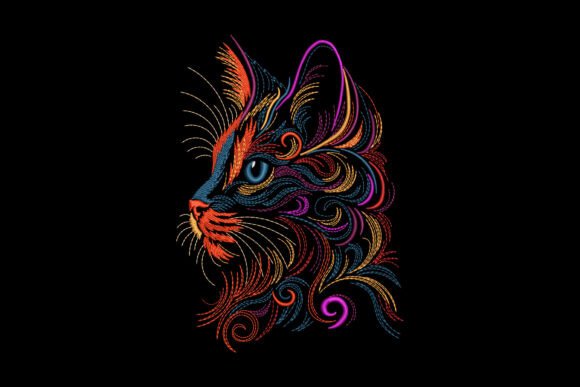
The title suggests a vibrant, playful aesthetic, and for an Etsy seller or boutique maker, color is often the primary hook. In a sea of neutral farmhouse décor at handmade markets, a colorful feline face acts as a visual anchor. My initial assessment is that this design leans toward modern charm rather than rustic minimalism. The description notes a "subtle touch of charm," which implies the artwork balances vibrancy with sophistication. This is crucial for attracting customers who want personality without overwhelming kitsch.
For a booth display, this design has strong potential as a focal point. However, because it is described as adding a subtle touch, I would avoid using it as a massive, chest-covering graphic. Instead, it reads best as a deliberate accent. Shoppers are drawn to items that look intentional. A small, perfectly placed cat face on a linen tea towel feels curated, whereas a giant, dense block of stitches might feel heavy. The key to selling this handmade product is positioning it as an artistic embellishment rather than a cartoon sticker.
Best Applications for Market Inventory
Determining where to place this design is half the battle. Based on the "subtle charm" directive and the suitability for T-shirts, towels, and pillows, here is how I would allocate production time for market prep:
- Tea Towel Embroidery: This is likely your highest volume seller. Place the Colorful Cat Face in the bottom right corner or centered near the hanging loop. The contrast of colorful thread against white or cream cotton creates immediate shelf appeal.
- Tote Bag Design: Market bags need to be readable from five feet away. Use high-contrast thread colors against natural canvas. This application works best when the cat face is treated as a logo-style element rather than a full illustration.
- Apron Embroidery: Position the design on the chest pocket area or the lower hip. This keeps the art visible when the apron is worn, turning your customer into a walking advertisement at the fair.
- Embroidered Patch: If you have leftover stabilizer and fabric scraps, batch-produce patches. These are excellent low-cost add-ons for customers who love the design but aren't ready to buy a full pillow cover.
- Pillow Covers: For home décor, center the design on a 16x16 or 18x18 cover. Ensure the background fabric texture complements the stitch type to maintain that premium handmade feel.
Production Practicality and Stitch Performance
A beautiful digital embroidery file is useless if it takes three hours to stitch or puckers every fabric it touches. When reviewing Colorful Cat Face for batch production, I focus heavily on stitch density. Since the design is meant to be subtle, I expect the digitizing to avoid excessive underlay or overly dense satin stitches that could distort lightweight fabrics like T-shirts.
Efficiency is paramount for commercial embroidery. I look for optimized color changes. If the design requires twelve thread swaps for a small face, it disrupts workflow during a production run. Ideally, this design should group colors logically to minimize machine stops. Furthermore, check the jump stitches. Long jumps across the back of a tea towel can snag during washing. As a professional, I always trim these manually or ensure the file includes proper tie-offs before committing to a full inventory run.
Photographing this item for online listings requires equal care. Because the design relies on color, natural lighting is non-negotiable. Flash photography will flatten the texture and wash out the nuances of the thread sheen. Create a printable mockup or photograph a physical sample in daylight to accurately represent the vibrancy customers will see in person.
Critical Technical Considerations
Even experienced embroiderers encounter issues when scaling designs for different products. Before listing this as a finished product, consider these technical constraints:
- Fabric Texture Compatibility: The description mentions towels, but terry cloth is unforgiving. You must use a water-soluble topping to prevent stitches from sinking into the pile. Without it, the colorful details of the cat face will disappear into the fabric loops.
- Scaling Limits: Test the minimum size. Facial features, especially eyes and whiskers, can become muddy blobs if reduced too far. If the design loses clarity below 3 inches, do not attempt it on baby onesies or small pouches.
- Stabilizer Selection: For T-shirts, use a lightweight cutaway to prevent stretching. For structured caps or tote bags, a firm tear-away may suffice. Always match the stabilizer weight to the fabric and the design's density.
- Curved Surfaces: Stitching on caps introduces distortion. Verify the hoop size and cap frame compatibility. Some flat-digitized faces warp on curved brims unless specifically re-digitized for headwear.
- Thread Contrast on Dark Fabrics: If stitching on black or navy, ensure the design includes adequate underlay or outline definition. Bright threads on dark backgrounds can sometimes look transparent if the coverage isn't sufficient.
Designer Notes for Commercial Success
Before I load this embroidery file for a production run, I follow a strict validation protocol. Never assume the digital preview equals the physical result. Always stitch a test run on scrap fabric that matches your intended final product. Check the registration between color blocks; misaligned eyes ruin the charm instantly.
Review your licensing terms carefully. While you may own the file, confirm you have the rights to sell finished goods featuring this specific artwork. Protecting your business means respecting intellectual property. Additionally, compare the design against your existing brand palette. Does the Colorful Cat Face clash with your shop’s signature style, or does it enhance it? Consistency builds trust with repeat buyers.
Finally, engage with your audience. Ask followers on social media which product they prefer: the tote bag or the pillow? Use their feedback to guide your inventory depth. This design assets strategy turns a simple embroidery project into a data-driven business decision. By treating Colorful Cat Face as a strategic asset rather than just a cute picture, you elevate your craft from hobbyist stitching to professional product development. Whether you are stocking an Etsy shop or setting up a festival tent, this thoughtful approach ensures your feline embroidery stands out for all the right reasons.