Rustic Garden Swing: A Designer’s Review
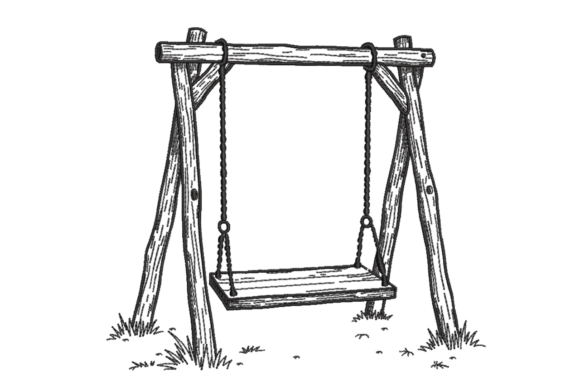
There is a distinct difference between a digital file that merely looks good on a screen and a machine embroidery design that actually stitches out with the intended emotion. As an experienced embroidery designer who has fulfilled countless custom orders for nurseries and weddings, I approach every new Creative Fabrica embroidery find with a critical eye. When I first encountered the Rustic Garden Swing, my immediate reaction was one of nostalgic warmth. This isn't just a picture of a swing; it is a line art interpretation that captures the peaceful, lazy charm of a childhood afternoon. For those of us creating personalized gift items or stocking Etsy shops with meaningful decor, this design offers a unique blend of vintage aesthetics and modern stitchability.
Evaluating the Artistic Appeal for Nursery Decor
The primary category for this design is Nursery, and it hits that mark beautifully without feeling overly juvenile. Many nursery designs lean heavily into bright primaries or cartoonish proportions, but the Rustic Garden Swing embraces a hand-drawn sketch style. This visual softness is crucial when designing for high-end baby products. The clean lines suggest a sense of calm rather than overstimulation, making it perfect for a serene sleep environment.
From a design perspective, the line art format is incredibly versatile. It doesn't compete with other elements in the room; instead, it complements organic textures like linen, cotton muslin, and raw wood. Whether you are stitching onto a crib sheet, a wall hanging, or a memory book cover, the design feels elegant and timeless. It avoids the "clip-art" look that can sometimes devalue a handmade product. Instead, it mimics the delicate touch of a pen-and-ink illustration, elevating the perceived quality of your finished work.
Real-World Applications for Gift Makers
When I evaluate a digital embroidery file, I immediately run through a mental checklist of potential projects. The Rustic Garden Swing is remarkably adaptable across several profitable niches for small business owners and hobbyists alike.
- Baby Embroidery: Beyond standard blankets, consider using this design on heirloom christening gowns or personalized bibs. The sketch style works exceptionally well on fine batiste or voile because it lacks heavy fill areas that could distort delicate fabrics.
- Wedding Gift Keepsakes: A rustic swing symbolizes partnership and building a life together. This design translates beautifully to embroidered tea towels, pillow covers, or even canvas tote bags given as bridesmaid gifts. It bridges the gap between rustic wedding themes and practical home goods.
- Custom Home Decor: For sellers focusing on farmhouse or cottagecore aesthetics, this design is a staple. It works wonderfully on aprons, garden flags, and throw pillows. The monochromatic nature of line art allows it to fit seamlessly into neutral color palettes popular in modern interior design.
- Printable Mockups: Because the artwork is clean and detailed, it photographs exceptionally well. If you sell digital files or take pre-orders, this design creates attractive mockups that clearly communicate the handmade value to potential buyers.
Technical Considerations for Stitching Success
While the aesthetic is dreamy, the technical execution determines whether a project succeeds or fails. Line art designs like the Rustic Garden Swing present specific challenges that require attention to detail. Before you hoop your expensive fabric, consider these practical factors derived from professional custom embroidery experience.
Fabric Texture and Stabilizer Choice
Line art relies entirely on the precision of the running stitch or satin column. On smooth fabrics like quilting cotton or linen, this design will likely shine with minimal fuss. However, if you are planning blanket embroidery on minky or fleece, or stitching an embroidered towel with a high pile, you must adjust your strategy. Textured surfaces can swallow thin lines, causing the sketch effect to disappear.
For textured materials, I strongly recommend using a water-soluble topping to keep the stitches visible on the surface. Additionally, ensure your stabilizer choice matches the fabric weight. A cutaway stabilizer is generally safer for stretchy baby clothes to prevent the line art from warping after washing. Always perform a test stitch-out on a scrap of the actual fabric you intend to use; what works on cotton may fail on terry cloth.
Thread Colors and Contrast
The beauty of this design lies in its contrast. While black or dark grey thread provides that classic ink-sketch look, do not be afraid to experiment with thread colors to match specific nursery themes. A muted sage green, dusty rose, or slate blue can soften the design further for baby items. However, avoid low-contrast combinations where the thread blends too much with the fabric, as this obscures the intricate details of the swing's ropes and wooden slats.
Hoop Size and Stitch Density
Always verify the hoop size requirements before purchasing or stitching. Line art can sometimes be resized more easily than complex fill designs, but reducing it too much can cause overlapping stitches or thread breaks. Check the product details on Creative Fabrica for the original dimensions and recommended minimum sizes. Similarly, review the stitch density. If the design feels too dense for lightweight baby garments, you may need to edit the file to remove underlay stitches or reduce density settings in your software to maintain fabric drape.
Building Customer Trust Through Quality
For Etsy seller accounts and small shop products, consistency is key to building trust. Using high-quality, well-digitized designs like the Rustic Garden Swing signals to customers that you care about the longevity and appearance of their purchase. A poorly digitized file results in puckering, misaligned lines, and excessive jump stitches, which diminishes the value of a finished product.
This design’s hand-drawn aesthetic naturally communicates "handmade." In a market saturated with mass-produced goods, customers are actively seeking items that feel personal and artisanal. When photographing your work, highlight the texture of the stitches against the fabric. Show close-ups of the swing’s details to demonstrate the precision of your embroidery. This transparency helps justify premium pricing for commercial embroidery projects and personalized keepsakes.
Essential Pre-Stitch Checklist
To ensure your next project using the Rustic Garden Swing is successful, follow this professional workflow:
- Review Licensing: Before listing any item for sale, double-check the specific license terms included with the embroidery file on Creative Fabrica. Ensure you have the rights for commercial use of the finished physical product.
- Create a Test Stitch-Out: Never skip this step. Verify that small details, such as the chains or knots on the swing, stitch out cleanly without breaking needles.
- Check Product Details: Confirm the file formats provided are compatible with your specific machine brand. Do not assume compatibility based solely on the design preview.
- Evaluate Wash Durability: If making baby items or towels, wash your test sample. Line art can sometimes pull or fray if the stitch length is too long or if insufficient anchoring stitches were used during digitizing.
- Plan Your Presentation: Consider how the design interacts with packaging. A rustic swing embroidered on a kraft paper tag or a linen drawstring bag adds immense unboxing value for gift recipients.
The Rustic Garden Swing is more than just a pretty image; it is a functional tool for creators who want to evoke emotion through needle and thread. By respecting the technical nuances of line art and leveraging its inherent nostalgic charm, you can create personalized gift items that truly resonate with clients. Whether you are crafting a single heirloom blanket or curating a collection of nursery decor for your online shop, this design serves as a beautiful foundation for meaningful, handmade creations. Always remember to validate the technical specifications provided by the designer to ensure your creative vision translates perfectly from screen to fabric.